Built to Last: Minnesota Leaders Gather to Explore the Future of Employee Ownership
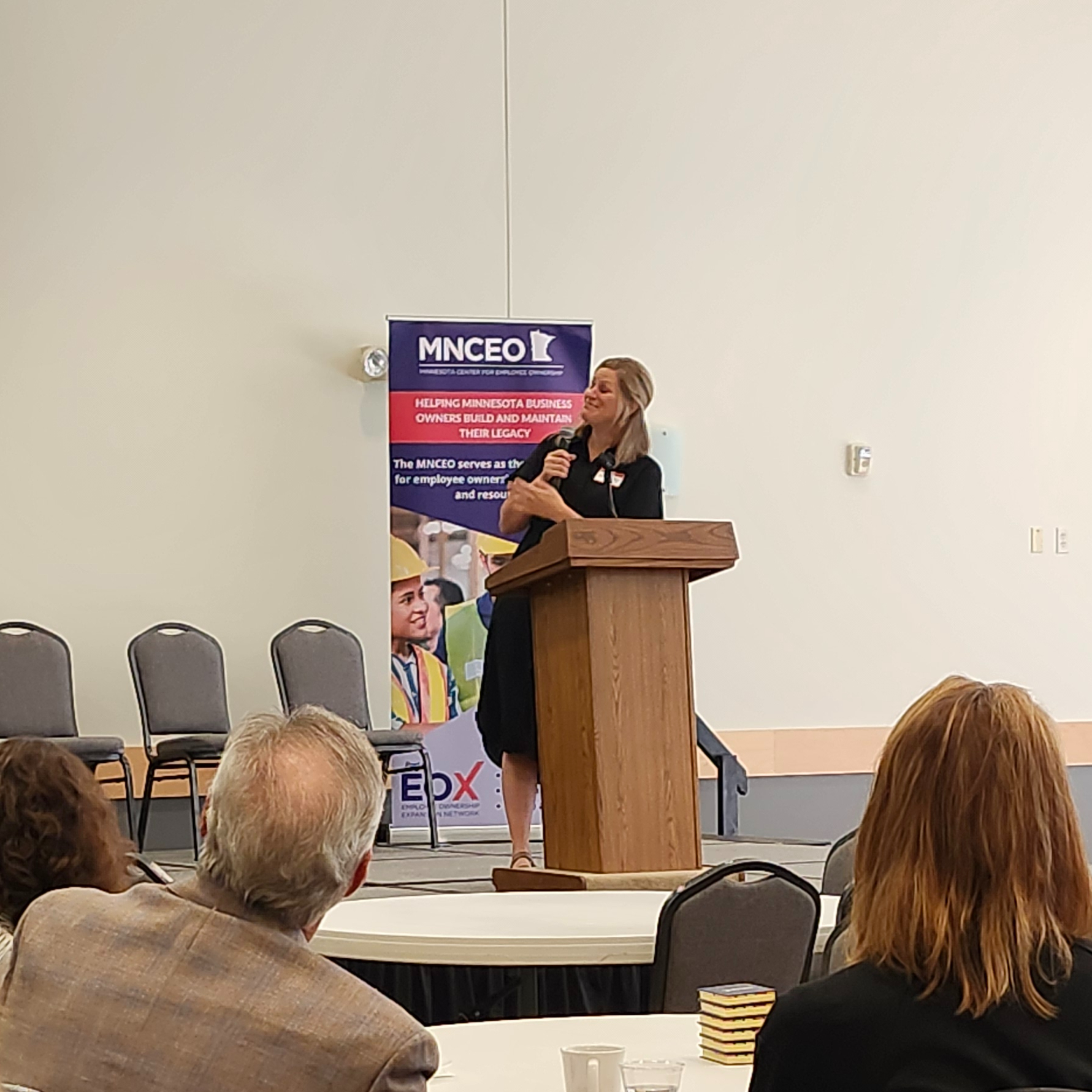
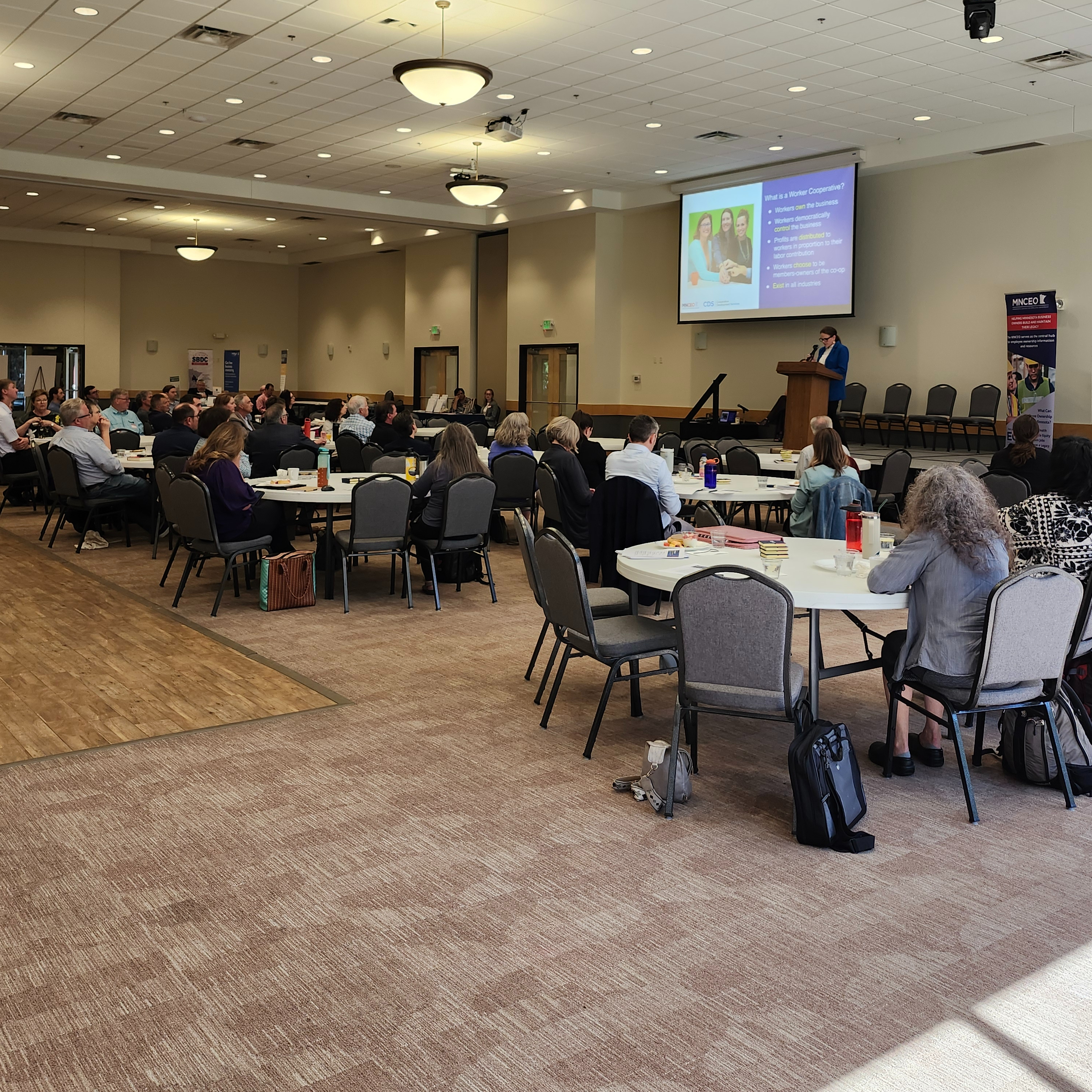
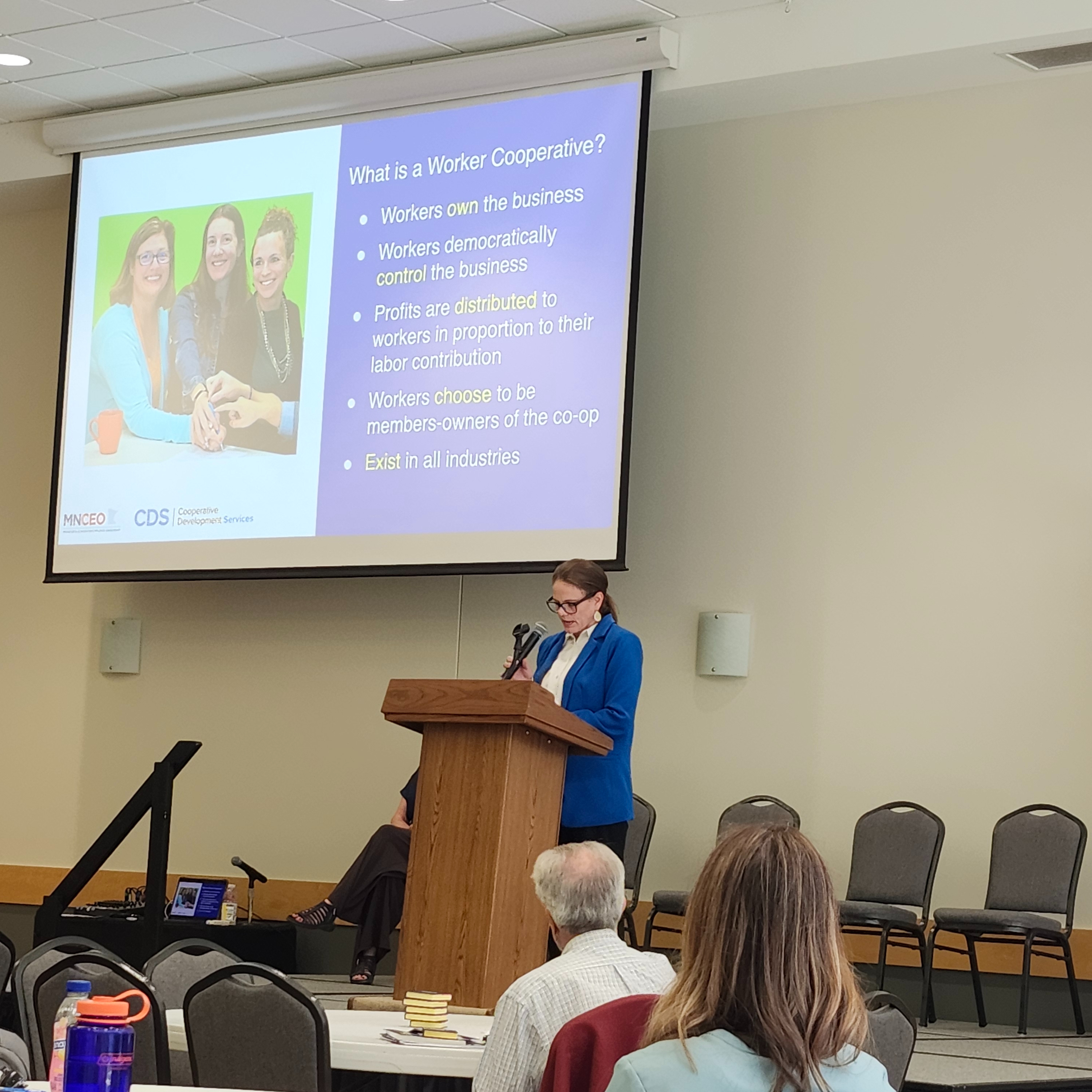
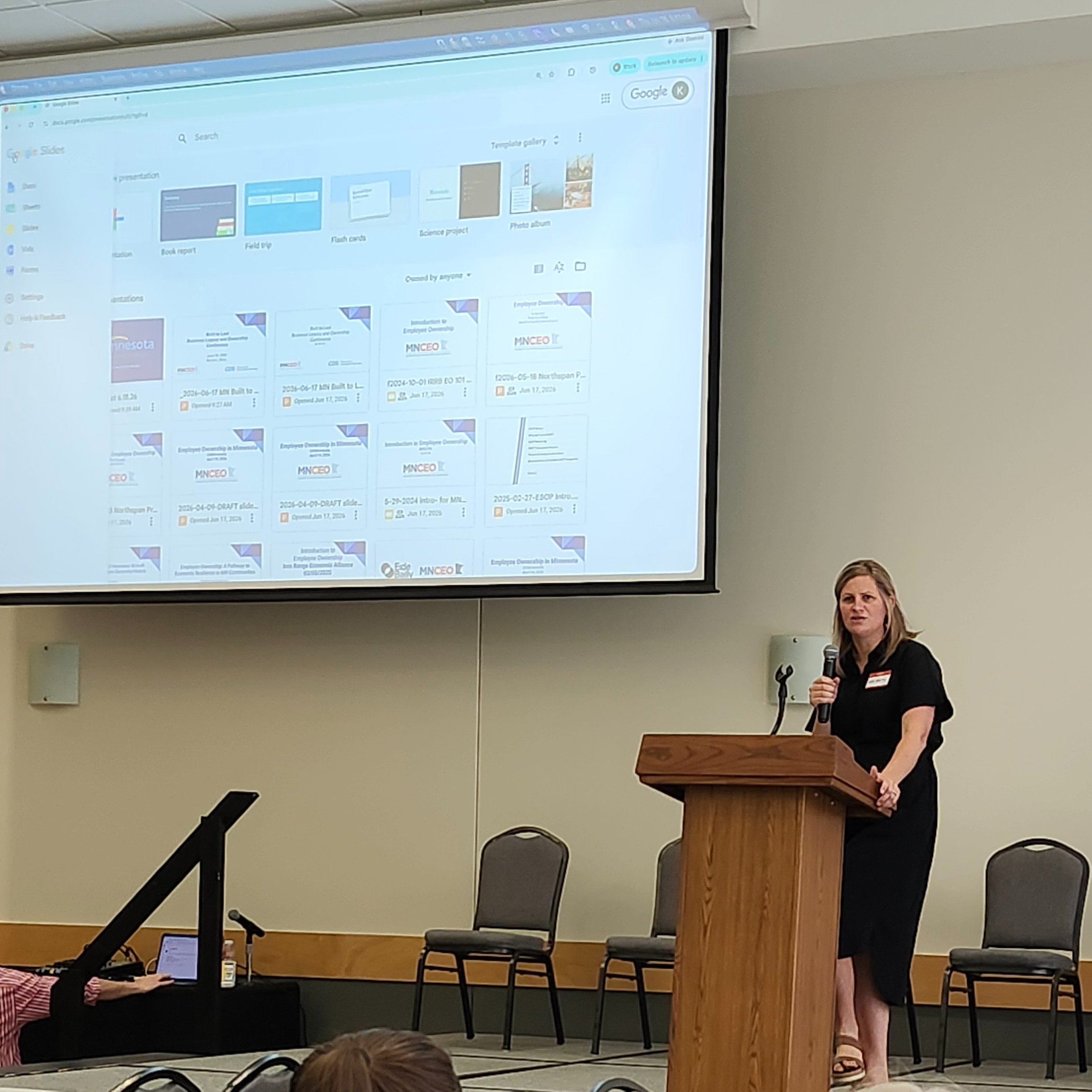
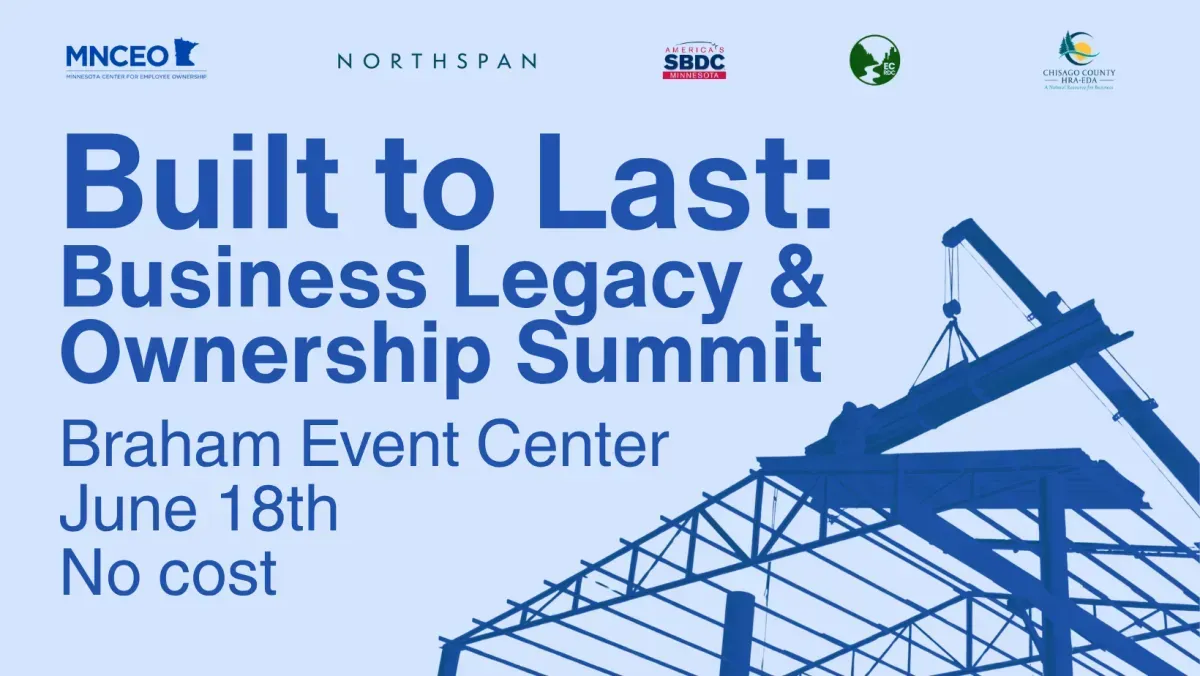
More than 80 business owners, advisors, lenders, economic development professionals, attorneys, accountants, and community leaders gathered in Braham on June 18 for the inaugural Built to Last: Business Legacy & Ownership Summit.
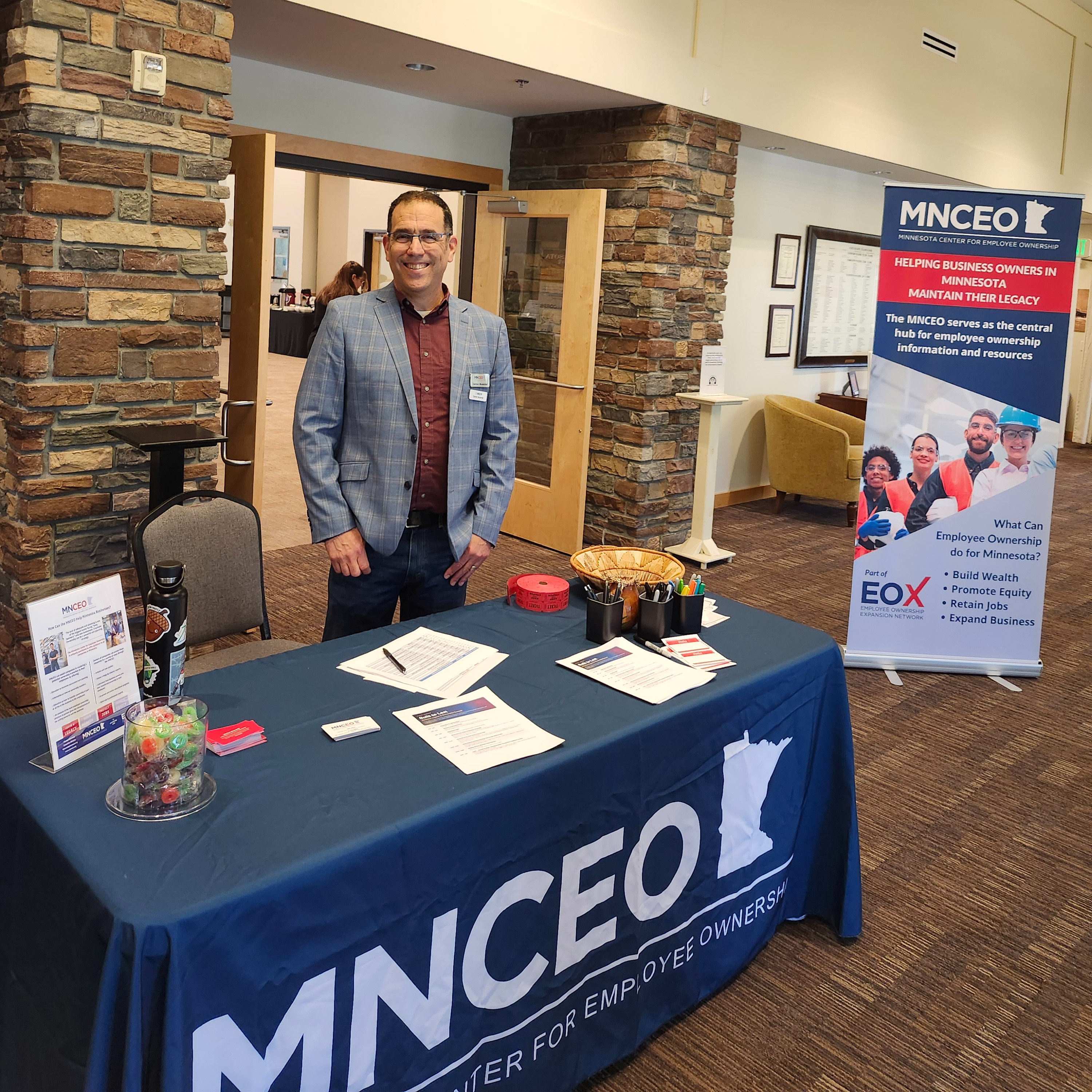
Hosted by the Minnesota Center for Employee Ownership (MNCEO) and funded through a USDA Rural Business Development Grant, the summit brought together an exceptional coalition of co-hosts including Northspan, East Central Regional Development Commission (ECRDC), Small Business Development Center (SBDC), and Chisago County HRA-EDA to explore one of the most important opportunities facing Minnesota businesses today: preserving successful companies, retaining local jobs, and building wealth through employee ownership.
The summit invited attendees to explore employee ownership as a powerful strategy for launching new ventures, scaling successful companies, and transitioning ownership. Through expert-led sessions, real-world case studies, and peer-to-peer learning, participants discovered how employee ownership can create stronger businesses, more resilient communities, and greater opportunities for shared prosperity.
As 52,000+ of Minnesota business owners approach retirement, one question continues to emerge:
What happens to your business when you're ready to step away?
Built to Last challenged attendees to think beyond traditional succession planning and consider employee ownership as a powerful strategy for business continuity, workforce retention, and community wealth building.
Minnesota's Employee Ownership Momentum Continues to Grow
The summit highlighted Minnesota's growing leadership in employee ownership.
Today, Minnesota ranks among the top ten states in the nation for Employee Stock Ownership Plans (ESOPs), with an estimated 243 ESOP-owned companies operating statewide. Since 2023, the number of ESOP companies has grown from 239 to 243, representing continued momentum in employee ownership adoption.
Together, Minnesota ESOP companies account for approximately $165 billion in plan assets, while the average employee-owner account balance has grown to more than $199,000, a 10% increase from previous reporting. These numbers demonstrate the significant wealth-building opportunities employee ownership creates for working families.
Minnesota's employee ownership ecosystem continues to expand as well, with nearly 20 worker-owned cooperatives and the state's first Employee Ownership Trust (EOT), providing business owners with multiple pathways to transition ownership while preserving company culture, values, and legacy.
Real Stories from the Field
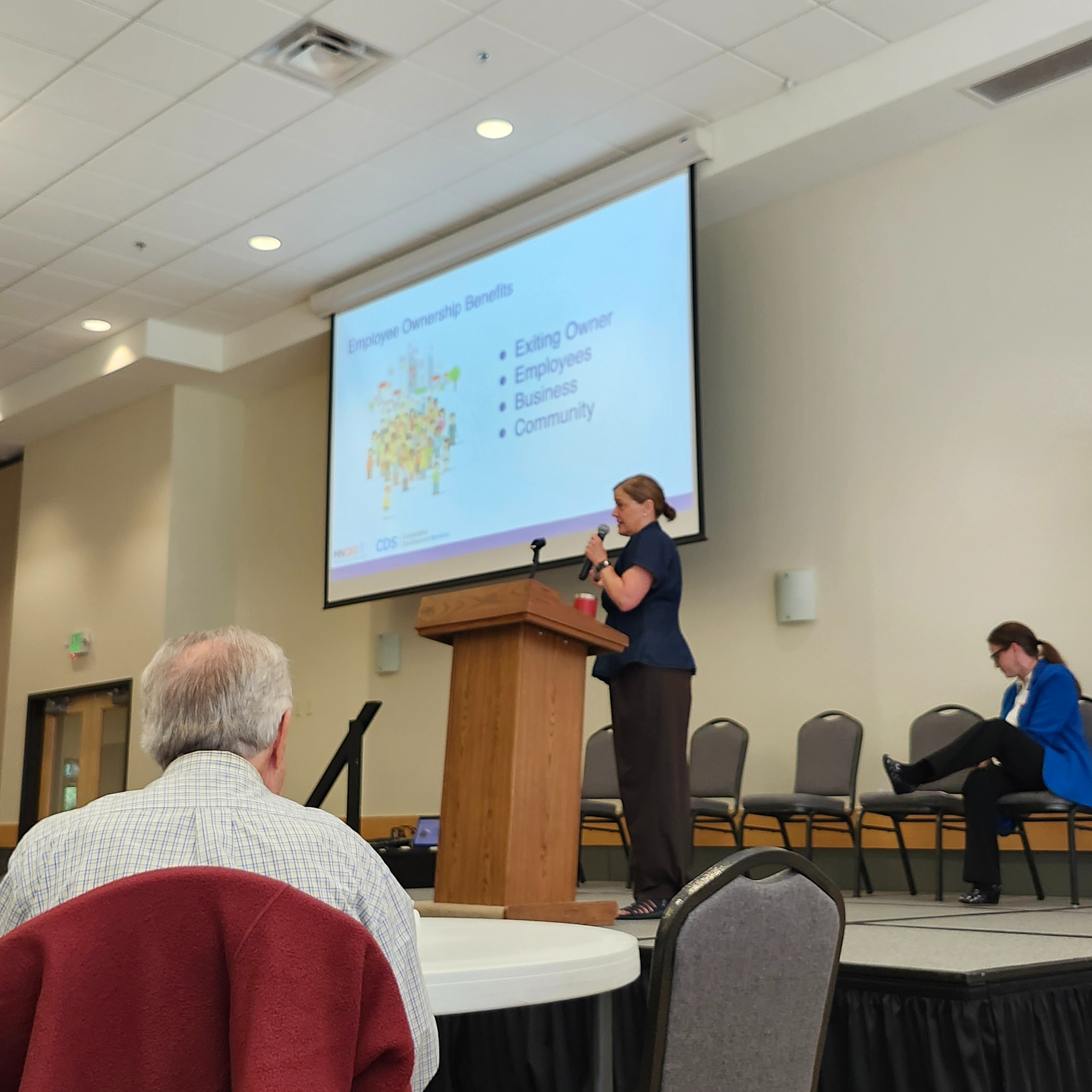
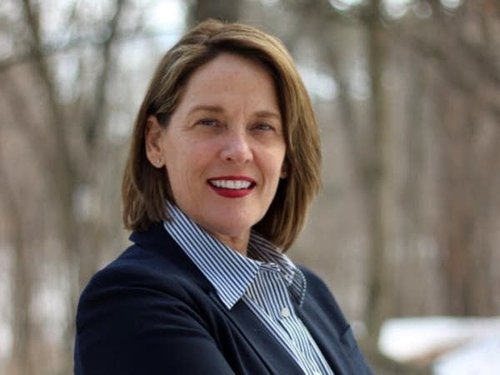
One of the day's highlights was the "Real Stories from the Field" ownership panel, moderated by MNCEO Executive Director Kirsten Kennedy.
Attendees heard directly from business leaders who have successfully navigated ownership transitions and are experiencing the benefits of employee ownership firsthand.
Ben Holder, CEO of Plastic Products Company, shared the story of a 64-year-old custom plastic injection molding manufacturer that began its ESOP journey with a 30% employee ownership stake in 1989 before becoming 100% employee-owned in 2013. Today, the company includes approximately 900 employee owners. Holder emphasized the importance of building an ownership culture alongside the ownership structure, stating: "An ESOP must celebrate and educate its employee owners. Let them relish in the gift of ownership and learn how they can make the company a success for the long term."
Leah Goldstein-Moses shared The Improve Group's transition from a founder-led consulting firm to a worker-owned cooperative in 2023. Headquartered in Lindstrom, Minnesota, the organization now operates in ten locations across the country. Reflecting on the transition, Goldstein-Moses noted: "Converting to a worker-owned coop did two huge things for The Improve Group: it maintained the legacy we'd built over 20+ years in business, and was a win for everyone involved—the founder, the employees, and our customers and community."
Jeremy White, Founder of CodeWeavers, shared why the company chose Minnesota's first Employee Ownership Trust as its succession strategy. Founded in 1996, CodeWeavers employs 45 people and is known globally for CrossOver Linux, software that has enabled hundreds of thousands of users to run Windows applications on Mac and Linux operating systems. White explained how an Employee Ownership Trust allowed the company to preserve its values, empower employees, and build a future-ready business designed for long-term success.
Together, these stories demonstrated that while employee ownership takes many forms, each model offers business owners a pathway to preserve their legacy while investing in the people who helped build their success.
A Minnesota Employee Ownership Pioneer
Attendees also learned about the upcoming Worker Co. MN Edition podcast featuring Cheryl V. Knight, co-founder of AbleNet. Knight's story is a powerful example of the transformative potential of employee ownership. AbleNet transitioned to employee ownership via an ESOP when the company employed just 15 people and generated approximately $7 million in profitability. Today, average ESOP retirement account balances at AbleNet exceed $2 million per employee owner.
Her story reinforced one of the summit's central themes: employee ownership is not simply a succession strategy—it is a pathway to shared prosperity, wealth creation, and long-term business success.
From Inspiration to Action
Beyond education and inspiration, Built to Last delivered tangible support for Minnesota business owners.
MNCEO announced support for more than 10 Minnesota business owners through $1,000 planning stipends designed to assist with ownership transition readiness activities, including business valuations, feasibility studies, and employee ownership modeling for ESOPs, worker-owned cooperatives, and Employee Ownership Trusts.
The summit also connected attendees with a broad network of lenders, technical assistance providers, attorneys, accountants, economic developers, and resource organizations committed to supporting successful ownership transitions.
Building Businesses That Last
Built to Last demonstrated that employee ownership is more than a succession strategy.
It is a business strategy.
It is a workforce strategy.
It is a community development strategy.
Employee ownership creates opportunities for founders to preserve their legacy, employees to build wealth, and communities to retain the businesses that drive local economies.
MNCEO extends sincere gratitude to our co-hosts, partners: Cooperative Development Services (CDS), Minnesota Consortium of Community Developers (MCCD), Nexus, Shared Capital, Common Trust, Eide Bailly, and CoMinnesota, speakers, sponsors, volunteers, and attendees who helped make this inaugural summit a success. Special thanks to the Braham Event Center staff and volunteers for their exceptional hospitality, breakfast and lunch service, and technical support throughout the day, and to Sara-Chisago County HRA-EDA team for capturing the event through photography.
As Minnesota looks toward the future, one thing is increasingly clear:
When ownership stays local, businesses stay stronger, employees gain opportunity, and communities thrive.
Together, we are building businesses that are truly Built to Last.